
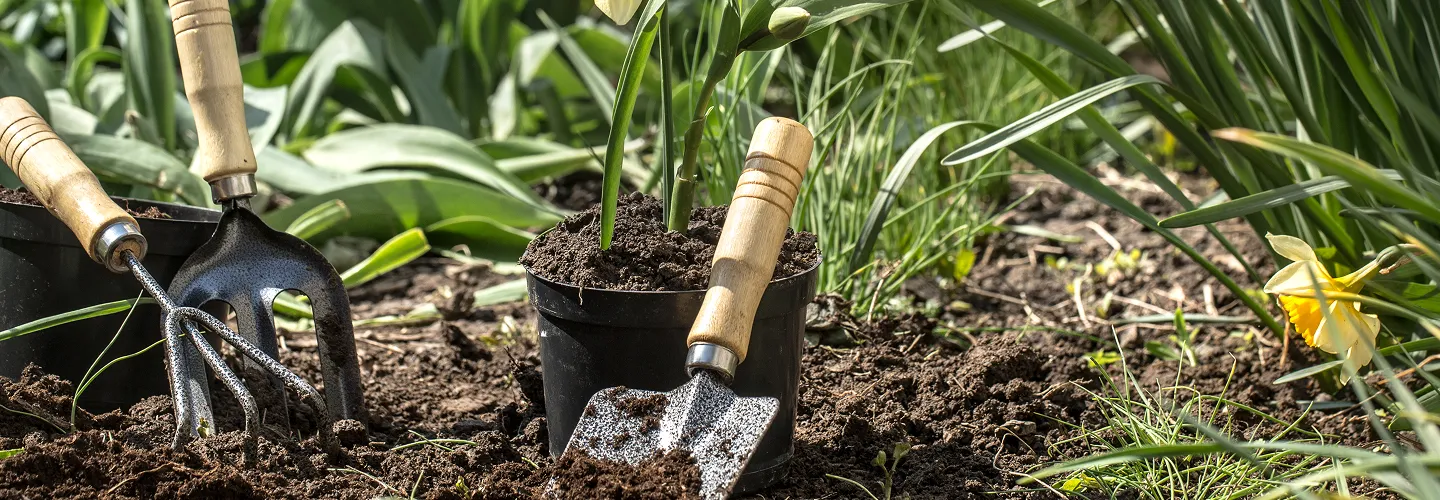
Naples Park Flower Planting Services
Choose our Flower Planting services for expert design, premium plants, and vibrant displays that enhance your home's curb appeal and bring lasting color to your landscape.
Get a Free QuoteOur Naples Park Landscaping & Yard Care Services
When to Schedule Flower Planting in Naples Park, Florida – Seasonal Guide
Flower planting in Naples Park, Florida, is best scheduled with careful attention to our unique subtropical climate and the specific needs of local landscapes. The optimal planting windows are typically late fall through early spring, when temperatures are milder and rainfall is more predictable. This timing helps new plantings establish strong root systems before the intense summer heat and humidity arrive. In neighborhoods like Vanderbilt Beach and Palm River Estates, residents benefit from planting after the last frost date—usually in late January—ensuring tender blooms are not damaged by unexpected cold snaps.
Local environmental factors play a significant role in determining the best time for flower planting. Naples Park’s sandy soils drain quickly, which is ideal for many annuals but may require soil amendments for moisture-loving varieties. Shade coverage from mature palms and oaks, especially near Delnor-Wiggins Pass State Park, can influence both plant selection and timing. Additionally, municipal guidelines and local resources provide helpful information on water usage and planting restrictions, ensuring your garden thrives while staying compliant.
Local Factors to Consider for Flower Planting in Naples Park
- Tree density and shade coverage in your yard
- Soil type and drainage, especially in coastal neighborhoods
- Seasonal precipitation patterns and drought risk
- Proximity to landmarks like Delnor-Wiggins Pass State Park
- Municipal restrictions on watering and planting
- Recent weather trends, including frost dates and humidity levels
Benefits of Flower Planting in Naples Park
Expert Local Knowledge
Customized Landscape Designs
Seasonal Plant Selection
Enhanced Curb Appeal
Eco-Friendly Practices
Reliable Maintenance Services
Naples Park Flower Planting Types

Annual Flower Beds
-
Perennial Garden Installations
-
Native Wildflower Plantings
-
Seasonal Color Rotations
-
Container Flower Arrangements
-
Pollinator-Friendly Gardens
-
Shade-Loving Flower Selections
Our Flower Planting Process
Site Evaluation
Soil Preparation
Flower Selection
Planting
Watering and Mulching
Why Choose Naples Park Landscape Services
-
Naples Park Homeowners Trust Us
-
Expert Lawn Maintenance
-
Reliable Scheduling
-
Competitive Pricing
-
Professional Team
-
Satisfaction Guarantee
-
Personalized Service
Coordinating Flower Planting Projects with Collier County Departments in Naples Park
Naples Park is an unincorporated community within Collier County, which means all landscaping oversight, environmental review, and land development coordination falls under county-level departments rather than a municipal government. Residents and property managers planning flower planting projects should begin by reviewing Collier County's environmental landscaping requirements, which address native vegetation preservation, approved plant species, and landscape buffer standards that may apply to both residential and commercial parcels. When flower planting involves modifications to front-yard landscaping visible from the right-of-way, or when it accompanies a broader site improvement, the county's development services division can clarify whether any landscape plan review applies. For properties adjacent to drainage swales or canal easements, it is essential to confirm that planting activity does not obstruct stormwater flow or encroach into maintained drainage corridors.
Collier County Environmental Landscaping
Collier County Government Center, Naples, FL 34112
Official Website: Collier County Environmental Landscaping
- Verify whether landscape plan review is required for your parcel before beginning large-scale flower planting
- Confirm that selected species comply with county-approved plant lists, particularly near preserve or buffer areas
- Coordinate with Collier County Development Services for any site work that accompanies planting, such as bed construction or irrigation modifications
Collier County Parks and Recreation
Official Website: Collier County Parks and Recreation
How Naples Park's Coastal Soils and Subtropical Climate Shape Flower Planting
Naples Park sits within USDA Hardiness Zone 10a, placing it firmly in a subtropical-to-tropical climate corridor along Florida's Gulf Coast. This classification means that most cold-sensitive tropical and subtropical flowering species can be planted year-round, but several local environmental factors demand careful planning. The area's soils are predominantly sandy and shell-influenced, with rapid drainage and low organic matter content. Nutrients applied at planting leach quickly through the soil profile, making organic soil amendments and slow-release fertilizers critical for flower establishment. The USDA Plant Hardiness Zone Map confirms the region's minimal freeze risk, though occasional winter cold fronts can damage tender annuals.
- High water table: Naples Park's low elevation and proximity to the coast produce a seasonally high water table, which can saturate root zones during the wet season (June through October) and stress species that require well-drained conditions
- Salt exposure: Properties near Vanderbilt Beach and the Gulf experience airborne salt spray, which limits flower selection to salt-tolerant species such as blanket flower, beach sunflower, and lantana
- Summer heat and humidity: Sustained temperatures above 90°F combined with high humidity promote fungal diseases in flower beds, requiring adequate spacing, drip irrigation rather than overhead watering, and mulch to moderate soil temperature
- Nutrient leaching: Sandy soils allow nitrogen and phosphorus to move rapidly toward the water table and nearby drainage infrastructure, making runoff-conscious fertilization essential as outlined by UF/IFAS Gardening Solutions
Navigating Naples Park's Landscaping Regulations and Environmental Compliance for Flower Planting
Collier County enforces landscaping and environmental standards that directly affect flower planting in Naples Park. Properties undergoing development review or site plan modification must submit landscape plans that comply with the county's Land Development Code, which specifies minimum planting requirements, buffer widths, and approved species. Even for single-family residential properties, planting within county-maintained swales, drainage easements, or right-of-way areas requires coordination with county departments to avoid obstruction of stormwater infrastructure.
- Any use of pesticides or herbicides during bed preparation or post-planting maintenance must comply with Florida Statutes Chapter 487, which governs pesticide regulation and requires commercial applicators to hold valid FDACS licensure
- Fertilizer applications associated with flower planting should follow the fertilizer use guidelines referenced under Florida Statutes §403.9337, which establishes the model ordinance for Florida-friendly fertilizer use on urban landscapes; verify current Collier County fertilizer ordinance details through the county's pollution control division
- Excess soil, mulch, and organic debris from flower bed construction must not be deposited into swales, canal banks, or storm-drain inlets, consistent with the county's stormwater management obligations under the Florida DEP NPDES Stormwater Program
Collier County Pollution Control
Official Website: Collier County Pollution Control
Timing and Professional Standards for Flower Planting in Naples Park's Climate
Flower planting in Naples Park follows a seasonal rhythm dictated by the Gulf Coast's wet and dry seasons. The optimal primary planting window for most warm-season annuals and perennials falls between October and early May, when rainfall is moderate, temperatures are milder, and new root systems can establish without the stress of daily summer downpours. A secondary planting window exists in early June for heat-tolerant species, provided irrigation is available and beds are properly mulched.
- Soil preparation: Amend sandy native soil with composted organic matter to a depth of six to eight inches before planting; this improves moisture retention and nutrient-holding capacity in Naples Park's fast-draining soils
- Irrigation: Install drip emitters or micro-spray heads within flower beds to deliver water directly to root zones, reducing foliar disease and minimizing runoff; coordinate irrigation schedules with South Florida Water Management District watering restrictions, which may vary by drought stage and time of year as noted by UF/IFAS water restriction guidance
- Mulch application: Apply two to three inches of organic mulch around plantings, keeping mulch pulled back from stems to prevent crown rot; mulch moderates soil temperature during summer heat and reduces weed competition
- Species selection: Region-appropriate choices for Naples Park include pentas, firebush, plumbago, salvia, society garlic, and native wildflowers such as tickseed and blanket flower; avoid cold-hardy northern annuals that decline rapidly in sustained subtropical heat
- Spacing and airflow: Maintain adequate spacing between plants to promote air circulation, which is critical for reducing powdery mildew and other fungal issues common in Naples Park's humid conditions
What Neighborhoods Do We Serve Throughout Naples Park, FL?
- Naples Park proper — The original grid-pattern subdivision features smaller residential lots with sandy soils and limited tree canopy, making full-sun flower planting viable across most front and side yards
- Vanderbilt Beach area — Properties closest to the Gulf require salt-tolerant flower species and benefit from wind-resistant planting designs due to consistent coastal breezes and salt spray exposure
- Palm River Estates — Larger lots with mature landscaping create mixed sun-and-shade conditions that call for careful species selection and hydrozoning within flower beds
- Wilshire Lakes — This planned community features HOA-maintained common areas and canal-adjacent lots where flower planting must account for drainage easements and community appearance standards
- Imperial Golf Estates — Properties along golf course edges and interior streets often have irrigated landscapes where flower beds can be integrated into existing irrigation zones with proper emitter adjustments
- Pelican Bay adjacent areas — Parcels near the Pelican Bay preserve corridor may be subject to environmental buffer requirements that influence planting setbacks and species choices