
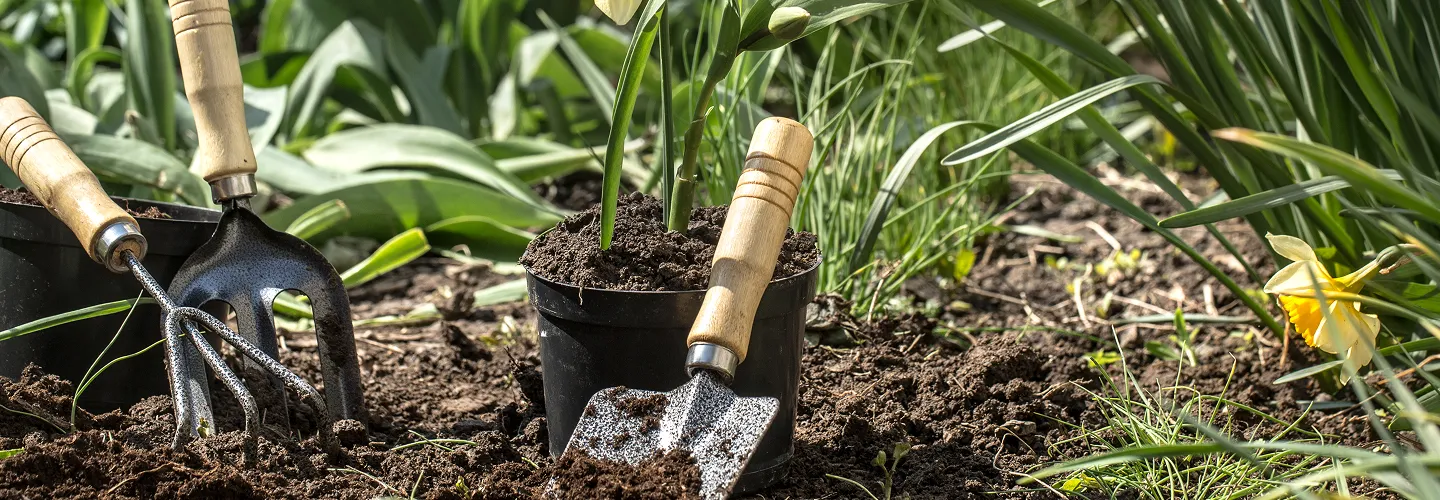
Naples Park Lawn Edging Services
Choose our expert lawn edging for a polished, professional look that enhances curb appeal, prevents grass overgrowth, and makes yard maintenance effortless.
Get a Free QuoteOur Naples Park Landscaping & Yard Care Services
When to Schedule Lawn Edging in Naples Park, Florida – Seasonal Guide
In Naples Park, Florida, the best times to schedule lawn edging are typically during the early spring and late fall. These periods align with the region’s subtropical climate, where mild temperatures and moderate rainfall create ideal conditions for maintaining crisp, healthy lawn edges. Unlike northern climates, Naples Park rarely experiences frost, but the summer months can bring intense heat and high humidity, which may stress turf and make edging less effective. Neighborhoods near Vanderbilt Beach and Mercato often see lush growth due to well-irrigated soils, but shaded areas under mature oaks or palms may require special attention to prevent overgrowth.
Local environmental factors such as sandy soils, occasional drought risk, and the proximity to the Gulf of Mexico all play a role in determining the optimal schedule for lawn care. Homeowners should also be aware of municipal guidelines and seasonal water restrictions, which can impact when and how often edging services are performed. For more information on local regulations, visit the official town website.
Local Factors to Consider for Lawn Edging in Naples Park
- Tree density and shade coverage, especially in areas like Naples Park Elementary and 111th Avenue North
- Soil type, with sandy and well-draining soils common throughout the community
- Seasonal precipitation patterns and risk of drought
- Municipal restrictions on water usage or landscaping activities
- Terrain variations, including sloped yards or properties near canals
- Proximity to saltwater, which can affect plant health and growth rates
Benefits of Lawn Edging in Naples Park

Enhanced Curb Appeal
Weed Growth Prevention
Defined Landscape Borders
Low Maintenance Solutions
Increased Property Value
Professional Installation Expertise

Naples Park Lawn Edging Types

Brick Lawn Edging
Brick edging offers a classic look and durable boundary for your landscape.
-
Metal Lawn Edging
Metal edging provides a sleek, modern border that resists weather and corrosion.
-
Plastic Lawn Edging
Plastic edging is flexible, affordable, and easy to install for various garden shapes.
-
Stone Lawn Edging
Stone edging delivers a natural, elegant appearance for any landscaping project.
-
Concrete Lawn Edging
Concrete edging ensures a sturdy, long-lasting border for lawns and flower beds.
-
Wood Lawn Edging
Wood edging adds a rustic charm and blends seamlessly with garden environments.
-
Rubber Lawn Edging
Rubber edging is eco-friendly, flexible, and safe for children and pets.
Our Lawn Edging Process
Site Evaluation
Marking Edges
Cutting Borders
Debris Removal
Final Inspection
Why Choose Naples Park Landscape Services
-
Naples Park Homeowners Trust Us
-
Expert Lawn Maintenance
-
Reliable Scheduling
-
Competitive Pricing
-
Professional Team
-
Satisfaction Guarantee
-
Personalized Service
Coordinating Lawn Edging Services with Collier County Departments in Naples Park
Naples Park is an unincorporated community within Collier County, meaning residents coordinate lawn edging logistics—including debris disposal, right-of-way maintenance, and stormwater protection—through county-level departments rather than a municipal government. Lawn edging generates vegetative clippings and soil debris that must be kept out of roadside swales, drainage inlets, and canal edges. Collier County's stormwater infrastructure relies on swale systems throughout Naples Park's residential grid, and edging debris swept or blown into these channels can obstruct drainage flow and contribute to nutrient loading in downstream waterways. Property owners and managers should verify current yard waste collection schedules and bundling requirements through Collier County's solid waste division before placing edging debris curbside. For properties adjacent to rights-of-way or drainage easements, coordination with the county's transportation and pollution control divisions is advisable to confirm allowable edging limits along public infrastructure.
- Keep all edging clippings, soil fragments, and grass runners off swale slopes and out of curb inlets
- Verify yard waste pickup schedules and container requirements through Collier County before placing debris curbside
- Confirm right-of-way boundaries before edging along roadside swales or drainage easements
Collier County Pollution Control
Official Website: Collier County Pollution Control
How Naples Park's Coastal Soils and Wet Season Shape Lawn Edging Results
Naples Park sits within USDA Hardiness Zone 10b along Florida's Gulf Coast, where subtropical heat, high humidity, and sandy coastal soils create specific challenges for lawn edging. The predominant soil profile in this area consists of poorly drained, fine sandy soils with a seasonally high water table, often within inches of the surface during the wet season from June through October. These conditions cause turf—primarily St. Augustinegrass—to spread aggressively through stolons, pushing lawn edges into sidewalks, driveways, mulch beds, and swale margins at an accelerated rate during summer months. Salt exposure from Gulf proximity can stress turf along property edges, sometimes causing uneven growth patterns that complicate clean edging lines. Annual rainfall averaging over 50 inches, concentrated heavily in summer, saturates soils and softens edge boundaries, making timing critical for effective results.
- High water table: saturated soils cause root systems to remain shallow, making turf edges more prone to tearing rather than cutting cleanly
- Stolon encroachment: St. Augustinegrass runners advance rapidly in summer heat and humidity, requiring more frequent edging cycles
- Salt and wind exposure: properties closer to the Gulf may experience irregular turf density along edges, requiring adjusted blade depth
- Wet-season softening: edging during or immediately after heavy rainfall can damage swale slopes and destabilize turf margins
Navigating Naples Park's Landscaping and Stormwater Regulations for Lawn Edging
Lawn edging in Naples Park falls under Collier County's land development and environmental landscaping standards. While routine edging of established turf does not typically require a permit, property owners should be aware that edging work along drainage swales, canal banks, or retention areas may be subject to stormwater management restrictions. Collier County enforces landscaping standards through its Environmental Landscaping division, which addresses vegetation management near stormwater infrastructure. The Florida DEP NPDES Stormwater Program establishes broader discharge prevention requirements that apply to sediment and debris generated during edging operations. Contractors performing edging services commercially should maintain appropriate business licensing through the county. Any herbicide application along edged boundaries requires proper certification through the FDACS Pesticide Applicator Licensing program under Florida Statutes Chapter 487.
- Edging along swale edges or canal banks should not alter drainage grade or remove stabilizing vegetation
- Herbicide use on edged borders requires FDACS-certified applicator credentials
- Sediment and clippings must not be discharged into stormwater conveyances
- Verify current county landscaping standards through Collier County Development Services before modifying edge profiles near public infrastructure
Collier County Environmental Landscaping
Official Website: Collier County Environmental Landscaping
Collier County Development Services
Official Website: Collier County Development Services
Timing and Methods for Lawn Edging in Naples Park's Subtropical Climate
Professional lawn edging in Naples Park follows seasonal patterns dictated by warm-season turf growth cycles and Gulf Coast weather. St. Augustinegrass, the dominant turf species in the community, enters its most aggressive growth phase from April through September, when edging frequency typically increases to every one to two weeks. During the cooler months of December through February, growth slows considerably, and edging intervals can extend to three to four weeks. Mechanical stick edgers or blade edgers are standard for defining borders along sidewalks, driveways, and bed lines, while string trimmers are commonly used for swale margins where a softer cut reduces soil disturbance. According to UF/IFAS Lawn Maintenance and Care guidance, edging should complement proper mowing height—typically 3.5 to 4 inches for St. Augustinegrass—to avoid scalping at transition points.
- Edge early in the day during summer to reduce heat stress on operators and freshly cut turf margins
- Avoid edging when soils are saturated; wet sandy soils crumble and produce uneven cuts
- Use blade edgers on hardscape borders and string trimmers along swale edges to prevent grade disruption
- Blow or sweep all clippings back onto the turf surface rather than into streets, swales, or storm drains
- Maintain consistent edging depth to prevent stolon regrowth from bridging back across hardscape boundaries
What Neighborhoods Do We Serve Throughout Naples Park, FL?
- Naples Park Unit 1 through Unit 6: The original platted sections of Naples Park feature uniform residential lots on a grid street pattern with roadside swale drainage, requiring consistent edging along sidewalks, driveways, and swale boundaries throughout the year
- 109th Avenue North Corridor: Properties along this central corridor often have mature St. Augustinegrass lawns with established hardscape edges that require regular maintenance to prevent stolon encroachment into sidewalks and driveways
- Vanderbilt Drive Adjacent Properties: Lots closer to Vanderbilt Drive experience increased salt exposure and wind, which can create uneven turf density along property edges and require adjusted edging techniques
- 111th Avenue North Area: This section includes properties near drainage infrastructure where edging along swale margins must be performed carefully to avoid destabilizing drainage slopes
- West-Side Properties Near US 41: Parcels closer to the Tamiami Trail corridor may have compacted fill soils along frontage edges, requiring blade adjustment to achieve clean cuts without excessive soil displacement