
Naples Park Lawn Mowing Services
Choose our lawn mowing service for reliable, professional results that keep your yard looking pristine all season long. Our experienced team uses top-quality equipment and pays attention to every detail, ensuring your lawn is healthy, beautiful, and the envy of the neighborhood.
Get a Free QuoteOur Naples Park Landscaping & Yard Care Services
When to Schedule Lawn Mowing in Naples Park, Florida – Seasonal Guide
In Naples Park, Florida, the timing of your lawn mowing routine is crucial for maintaining a healthy, vibrant yard. The region’s subtropical climate means grass grows vigorously from late spring through early fall, with peak growth typically occurring between April and October. Local neighborhoods like Vanderbilt Beach and the areas surrounding Delnor-Wiggins Pass State Park experience unique microclimates, where humidity and rainfall patterns can vary even within a few blocks.
Homeowners should pay close attention to environmental factors such as the last spring frost, which usually occurs in late February, and the onset of the summer rainy season. Soil composition in Naples Park—often sandy with moderate organic content—affects how quickly lawns dry out after rain, influencing mowing frequency. Additionally, shaded lots near Immokalee Road may require less frequent mowing compared to sun-drenched properties. For more information on local regulations and best practices, visit the official municipal website.
Local Factors to Consider for Lawn Mowing in Naples Park
- Tree density and shade coverage, especially near Bluebill Avenue and 111th Avenue North
- Soil type and drainage, which can impact grass health and mowing intervals
- Seasonal precipitation and drought risk, particularly during late summer storms
- Municipal restrictions or guidelines on mowing times and noise ordinances
- Terrain variations, such as sloped lots or areas prone to pooling water
Benefits of Lawn Mowing in Naples Park
Professional Lawn Care Experts
Consistent Scheduling
Enhanced Curb Appeal
Eco-Friendly Practices
Time-Saving Services
Reliable Customer Support
Naples Park Lawn Mowing Types

Standard Lawn Mowing
-
Mulching Mower Service
-
Bagging and Clipping Removal
-
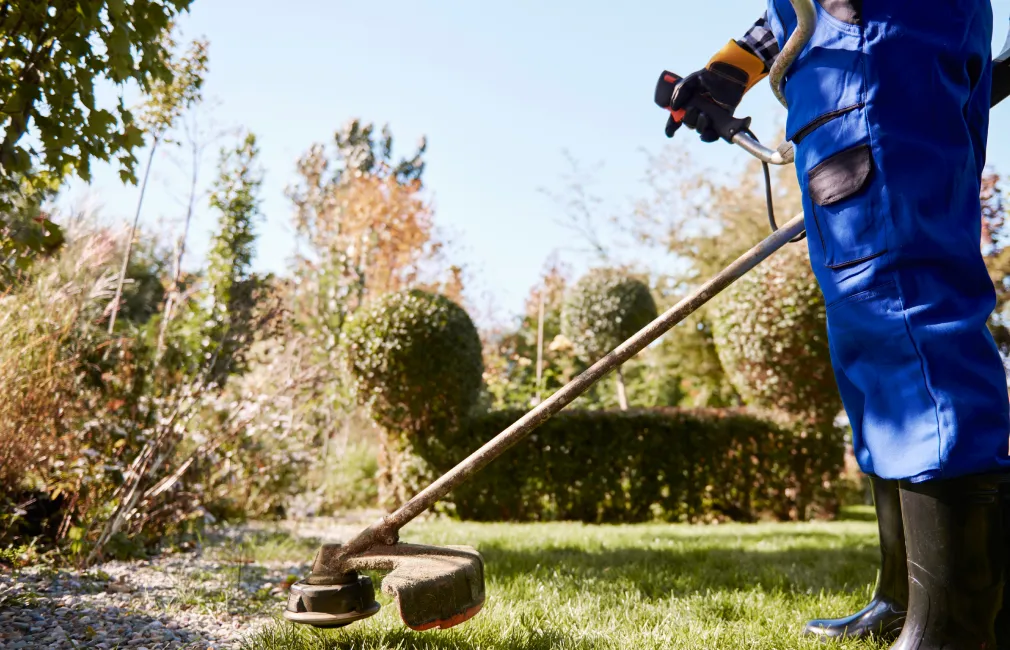
Edging and Trimming
-
Seasonal Lawn Scalping
-
High Grass Restoration
-
Commercial Property Mowing
Our Lawn Mowing Process
Site Evaluation
Equipment Preparation
Mowing Execution
Edging and Trimming
Cleanup
Why Choose Naples Park Landscape Services
-
Naples Park Homeowners Trust Us
-
Expert Lawn Maintenance
-
Reliable Scheduling
-
Competitive Pricing
-
Professional Team
-
Satisfaction Guarantee
-
Personalized Service
Coordinating Lawn Mowing Services with Collier County Departments in Naples Park
Naples Park is an unincorporated community within Collier County, meaning residents coordinate lawn mowing–related matters through county-level departments rather than a municipal government. Vegetative debris generated from routine mowing—including grass clippings, trimmings, and small brush—must be managed in accordance with Collier County's curbside collection guidelines. Property owners and lawn care operators should ensure that clippings are not discharged into roadside swales, drainage ditches, or stormwater inlets, as these channels feed directly into the broader county stormwater management system. Collier County's Pollution Control section oversees environmental compliance related to runoff and discharge, and residents should verify current yard waste pickup schedules and bundling requirements through the county's solid waste division.
- Keep mowed clippings out of swales, curb inlets, and canal edges to prevent nutrient loading in downstream waterways
- Confirm vegetative debris collection schedules with Collier County's solid waste services before placing material curbside
- Report overgrown or unmaintained lots through Collier County Code Enforcement, which addresses nuisance vegetation on residential properties
Collier County Pollution Control
Official Website: Collier County Pollution Control
Collier County Parks and Recreation
Official Website: Collier County Parks and Recreation
How Naples Park's Coastal Soils and Subtropical Climate Shape Lawn Mowing
Naples Park sits within USDA Hardiness Zone 10b along Florida's Gulf Coast, where subtropical heat, high humidity, and seasonal rainfall patterns directly influence lawn mowing frequency and technique. The community's soils are predominantly sandy and shell-influenced, characteristic of southwest Florida's coastal plain. These soils drain rapidly, which reduces standing water after mowing but also accelerates nutrient leaching when clippings decompose. The area's wet season, typically running from late May through October, produces heavy afternoon thunderstorms that can drive turf growth rates to the point where weekly or even twice-weekly mowing becomes necessary. During the dry season from November through April, growth slows considerably, and mowing frequency can often be reduced. Salt exposure from Gulf breezes can stress turf margins on properties closer to the coast, and the consistently high water table across much of Naples Park means root zones remain saturated during prolonged rain events, increasing susceptibility to fungal disease if turf is cut too short.
- Sandy, shell-influenced soils drain quickly but leach nutrients, making clipping management important for soil health
- Wet-season growth rates in St. Augustinegrass and bahiagrass often require mowing every 5–7 days
- High humidity and warm overnight temperatures create persistent fungal pressure, especially when turf is scalped or mowed while wet
- Salt drift near the Gulf coast can thin turf edges, requiring adjusted mowing patterns to avoid further stress
Navigating Naples Park's Stormwater and Landscaping Regulations for Lawn Mowing
Lawn mowing in Naples Park falls under several layers of regulatory oversight. Collier County enforces property maintenance standards through its code enforcement division, which can cite property owners for overgrown vegetation that exceeds height thresholds established in the county's land development code. Operators applying any pesticide or herbicide in conjunction with mowing services must hold valid licensure through the Florida Department of Agriculture and Consumer Services. Collier County's stormwater management framework, operating under the Florida DEP NPDES Stormwater Program, requires that lawn care activities not contribute pollutants—including grass clippings, fertilizer granules, or sediment—to the municipal separate storm sewer system (MS4). The county's environmental landscaping standards also address vegetation management near preserved areas and drainage easements, which are common throughout Naples Park's grid-pattern lots.
- Verify current vegetation height limits through Collier County Code Enforcement before allowing turf to exceed maintenance thresholds
- Any herbicide or pesticide application paired with mowing requires FDACS certification
- Clippings, debris, and chemical residues must not enter swales, drainage easements, or stormwater conveyances
Collier County Environmental Landscaping
Official Website: Collier County Environmental Landscaping
Timing and Technique Standards for Lawn Mowing in Naples Park's Heat and Humidity
Professional mowing standards in Naples Park must account for the region's intense heat, high humidity, and turf species characteristics. St. Augustinegrass, the most common residential turf in the community, should be maintained at a height of 3.5 to 4 inches according to UF/IFAS lawn maintenance guidance. Bahiagrass, found on some larger or less irrigated lots, performs well at 3 to 4 inches. Mowing should follow the one-third rule—never removing more than one-third of the blade height in a single pass—to reduce stress and minimize thatch accumulation. During the wet season, mowing early in the day allows turf to dry before afternoon storms, reducing the window for fungal colonization. Blades should be sharpened regularly; dull blades tear grass tissue, creating entry points for disease in Naples Park's humid conditions. Mulching mowers are preferred over bagging in most circumstances, as returning finely chopped clippings to the turf surface recycles nitrogen and reduces the volume of curbside vegetative waste.
- Maintain St. Augustinegrass at 3.5–4 inches and bahiagrass at 3–4 inches per UF/IFAS recommendations
- Follow the one-third rule to prevent scalping and reduce heat stress on turf crowns
- Mow in the morning when possible to allow drying before afternoon rain events
- Sharpen mower blades frequently to produce clean cuts and reduce disease entry
- Use mulching attachments to return nutrients to the soil and minimize yard waste volume
What Neighborhoods Do We Serve Throughout Naples Park, FL?
- Naples Park Unit 1 — One of the original plat sections featuring compact residential lots on a grid street pattern, where frequent mowing is needed to maintain swale drainage along narrow rights-of-way
- Naples Park Unit 2 — Similar grid-layout lots with sandy soils and limited tree canopy, resulting in full-sun turf exposure that accelerates warm-season growth rates
- Naples Park Unit 4 — Residential blocks with mature landscaping on some properties, requiring mowing operators to navigate around established trees and ornamental beds
- Naples Park Unit 6 — Properties in this section often feature slightly larger setbacks, and proximity to drainage channels requires careful clipping management during wet-season mowing
- Naples Park Unit 7 — Located near the community's northern boundary, lots here may border canal easements or utility corridors where mowing must avoid disturbing drainage infrastructure